
Words Aisha Kamara
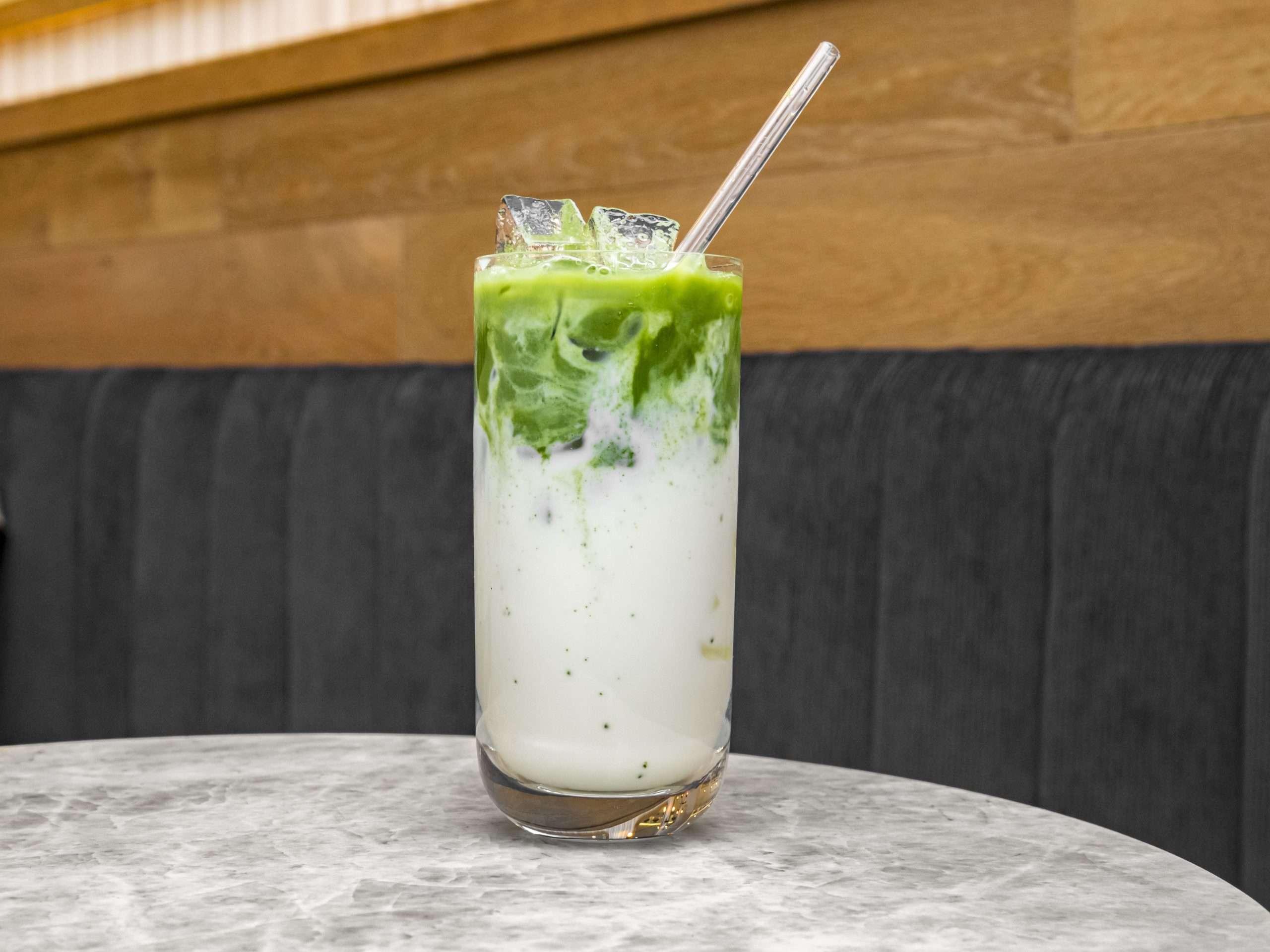
If you've been on social media lately, you may have noticed one particular drink being pulled into conversations about rising rates of type 2 diabetes: our beloved matcha.
But is matcha really to blame?
Not exactly.
Recent Diabetes UK analysis found that recorded type 2 diabetes diagnoses among UK women under 40 increased by 47% between 2017/18 and 2023/24.
It's a significant rise, but blaming one trendy drink or sugar alone oversimplifies a much bigger health conversation.
It's More Than Sugar
Type 2 diabetes develops when the body doesn't produce enough insulin or the insulin it produces doesn't work effectively, known as insulin resistance. This can cause blood glucose levels to become too high.
Diet can influence our risk, but it is only one part of the picture.
Genetics and family history matter. Ethnicity can influence risk. Being physically inactive or living with overweight or obesity can also increase risk, while women who have experienced gestational diabetes have a higher risk of developing type 2 diabetes later in life.
What we regularly eat and drink still matters.
What About Carbs?
Carbohydrates are broken down into glucose by the body, but that doesn't mean we need to fear them.
Rather than eliminating carbohydrates, we can focus on the types of carbohydrates we eat.
Foods such as white bread, sugary cereals, cakes, biscuits and highly processed foods tend to contain less fibre and can affect blood glucose differently from higher-fibre carbohydrates.
Wholegrains, beans, lentils, fruit and vegetables are also sources of carbohydrates and can absolutely be part of a healthy, balanced diet.
So, What Should We Be Eating?
Instead of obsessing over everything we need to remove, let's focus on what we can add to our plates.
Think:
- Fibre-rich carbohydrates: oats, wholegrain bread, brown or wild rice, quinoa and wholewheat pasta
- Protein: eggs, chicken, fish, Greek yoghurt, tofu, beans and lentils
- Healthy fats: avocado, nuts, seeds and olive oil
- Plenty of vegetables: particularly incorporating a variety of colours throughout the week
- Whole fruit: rather than assuming fruit needs to be avoided because it contains natural sugars
- Water and unsweetened drinks: while keeping sugary drinks as something to enjoy less frequently
And yes, you can still enjoy your matcha. If it's something you drink regularly, it's worth being aware of how much added sugar or syrup goes into it.
Healthy eating doesn't need to mean removing every enjoyable food from your life.
Know Your Risk
The rise in type 2 diabetes among younger women shouldn't become another reason for women to feel guilty about what they eat.
Instead, it should encourage us to become more informed.
Know your family history. Understand your individual risk factors. Move your body regularly. Build meals around foods that support your overall health and still leave room for the things you genuinely enjoy.
Because looking after our health isn't about fearing carbs, sugar or the occasional sweet matcha.
It's about understanding our bodies and creating habits we can realistically maintain.
This article is for general information and is not a substitute for personalised medical advice. If you're concerned about your risk of type 2 diabetes or are experiencing symptoms, speak to your GP or another qualified healthcare professional.