
Words Aisha Kamara
There has been a recent shift in television and film, offering a more layered, complex, and realistic depiction of women’s lives. For decades and decades, we have seen women showcase the different complexities of their lives that many can relate to, whether it be relationships, friendships, work-life, family, or balancing their emotions amongst 100 other things. Let's dissect womanhood for a second. We have all heard the song I'm Every Woman by Chaka Khan. The concept that we can do and be everything, as God created us, right? To be multifaceted but also full of grace and honour! Women are being portrayed as audacious!
But of course, there is the flip side that obstacles can get in the way, and maybe not every woman can. We are now seeing a nice balance of this on our screens, and hearing and understanding our stories is just the beginning of something indeed revolutionary. It sets a scene and inspiration that the next generation can point to, mention and relate to. What we are seeing is complex issues, how it is being narrated, but most importantly, how one may overcome it.
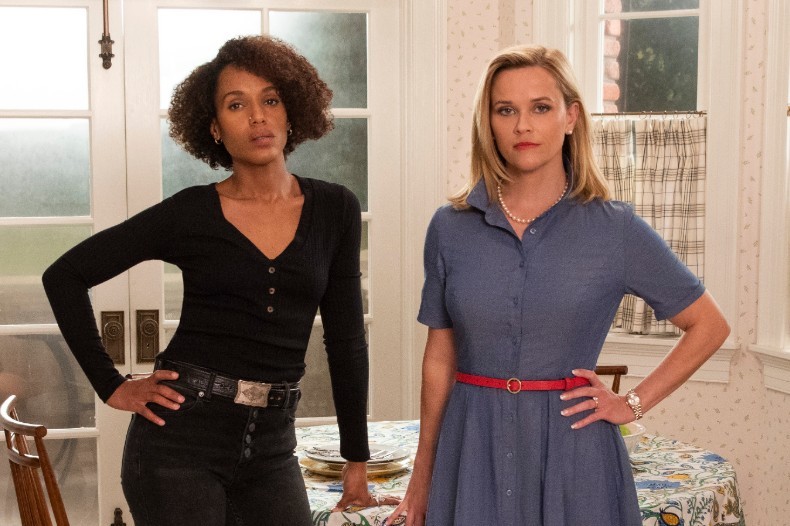
We see this in the series ‘Little Fires Everywhere’. This series highlights different dimensions of womanhood, from identity and privilege to leadership and emotional resilience. We look at
Little Fires Everywhere offers a nuanced exploration of womanhood through the lens of motherhood, race, and class, highlighting how different lived experiences can shape identity, decision-making, and, ultimately, how women navigate trauma.
At the centre of the series are two women whose lives contrast significantly not only in terms of economic stability, but also in upbringing, opportunity, and social positioning. These differences influence how they respond to challenges, particularly when faced with complex issues such as motherhood, loss, and autonomy. While one appears to embody structure, control, and societal expectation, the other navigates life through survival, instinct, and adaptability.
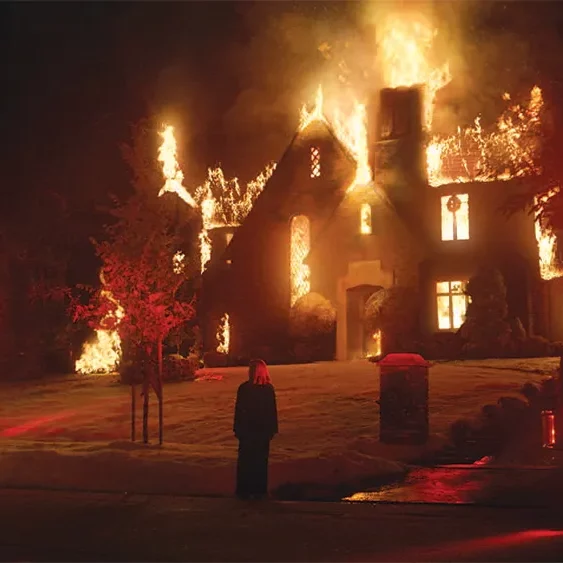
The series presents an important tension: the idea of appearing composed and “put together” externally, while internally dealing with unresolved conflict, the metaphorical sense that a fire still burns beneath the surface. This reflects a reality many women experience, where maintaining a certain image often comes at the expense of addressing deeper emotional needs.
Motherhood is portrayed from multiple angles, from the pressure to conform to traditional roles, such as being a present and self-sacrificing parent, to the desire for independence, purpose, and career fulfilment. It also explores the emotional weight of fertility challenges, adoption, and the difficult decisions that arise when resources and choices are limited.
Importantly, the series highlights the community's role. Whether through structured social circles or more informal support systems, both women rely on those around them in different ways, demonstrating that, despite differing circumstances, connection remains essential.
Ultimately, Little Fires Everywhere shows that while the experiences of womanhood may differ across race and class, the presence of emotional complexity, resilience, and trauma is something that can intersect across all backgrounds.
The performances from Reese Witherspoon and Kerry Washington further strengthen this narrative, bringing depth and authenticity to characters whose experiences feel both specific and widely relatable. Despite being a limited series, its impact leaves a lasting impression, and it is not surprising that many viewers continue to call for further exploration of these stories.
More broadly, portrayals like this highlight how women on screen are increasingly being represented as layered rather than one-dimensional. These narratives do more than entertain; they shift perceptions, raise awareness, and open conversations about identity, resilience, and the complexities of womanhood.